Nehemiah - Making the American Dream possible for first-time homeowners
There was a time when this community was known as the murder capital of the state of New York," said The Reverend David Brawley, of St. Paul Community Baptist Church in East Brooklyn, N.Y. A lot of his parishioners now live in this neighborhood. Linger on that for a moment. Live there? People didn't even want to drive through the neighborhood. It was that unimaginably awful.
One word Rev. Brawley says was instrumental in changing that neighborhood: imagination. "You have to imagine something new," he said. "So, you had empty lots, abandoned swaths of land. And we were able to imagine something else."
He's talking about an enterprise that's been 40 years in the making. In the early 1980s, community organizers dreamed up an audacious plan to build privately-owned houses to be sold at working class prices. They took land that nobody wanted, and turned it into something highly desirable. They called it the Nehemiah project. It got its name from an Old Testament developer, the prophet Nehemiah, who rebuilt the walls around the ancient city of Jerusalem.
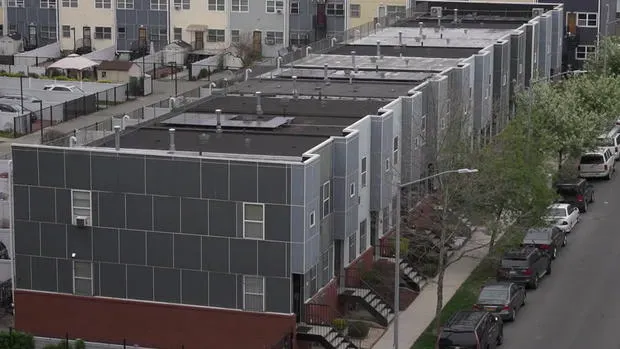
A program organized more than 40 years ago by East Brooklyn churches helped build a community within a destitute neighborhood, and has since enabled hundreds of first-time homeowners to build equity - and hope for the future.
The goal of the project was to create equity. "It's the American dream," Brawley told "Sunday Morning" senior contributor Ted Koppel. "Everything changes when you have equity. Communities are able to build wealth. Families are able to build wealth. Life changes inter-generationally."
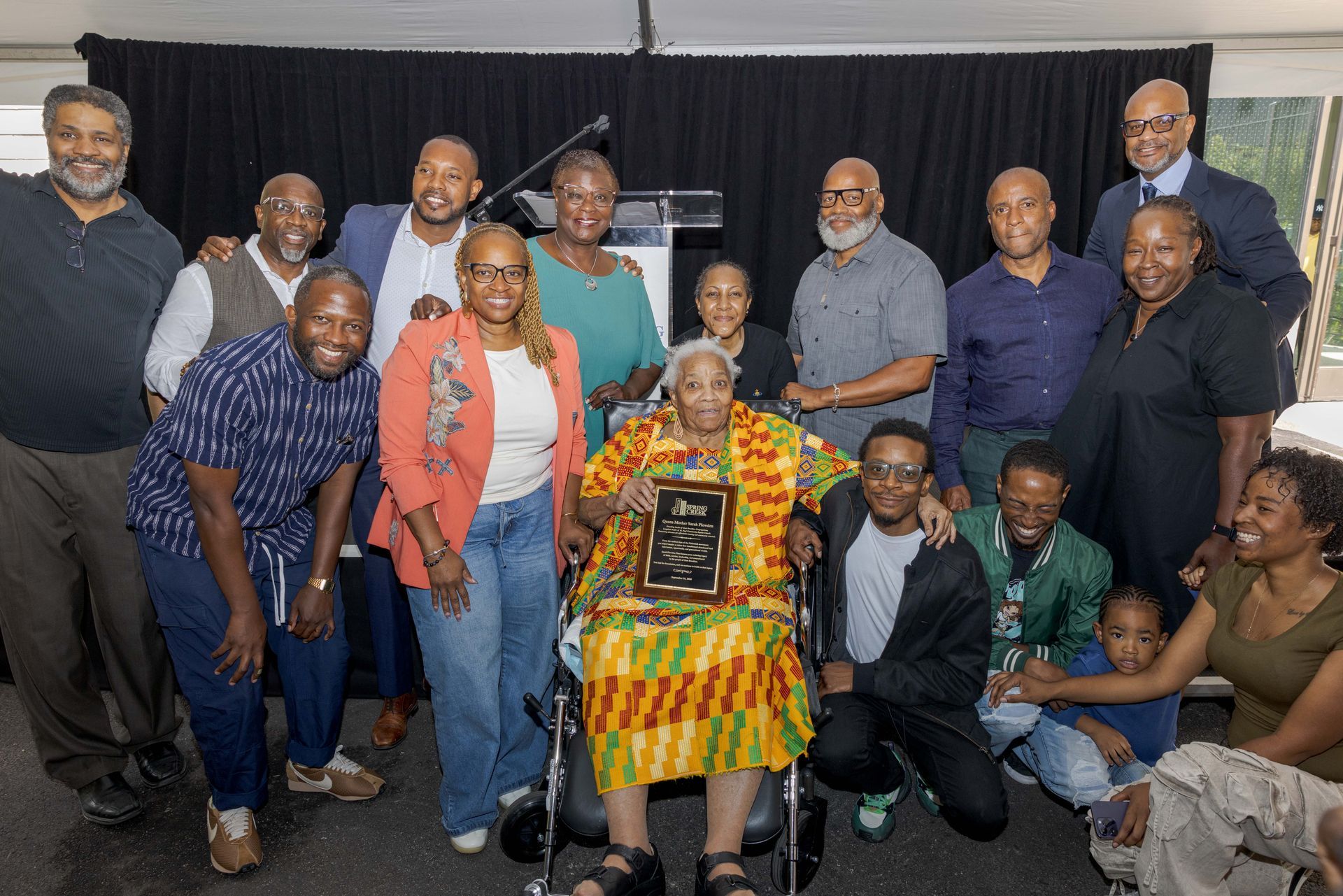
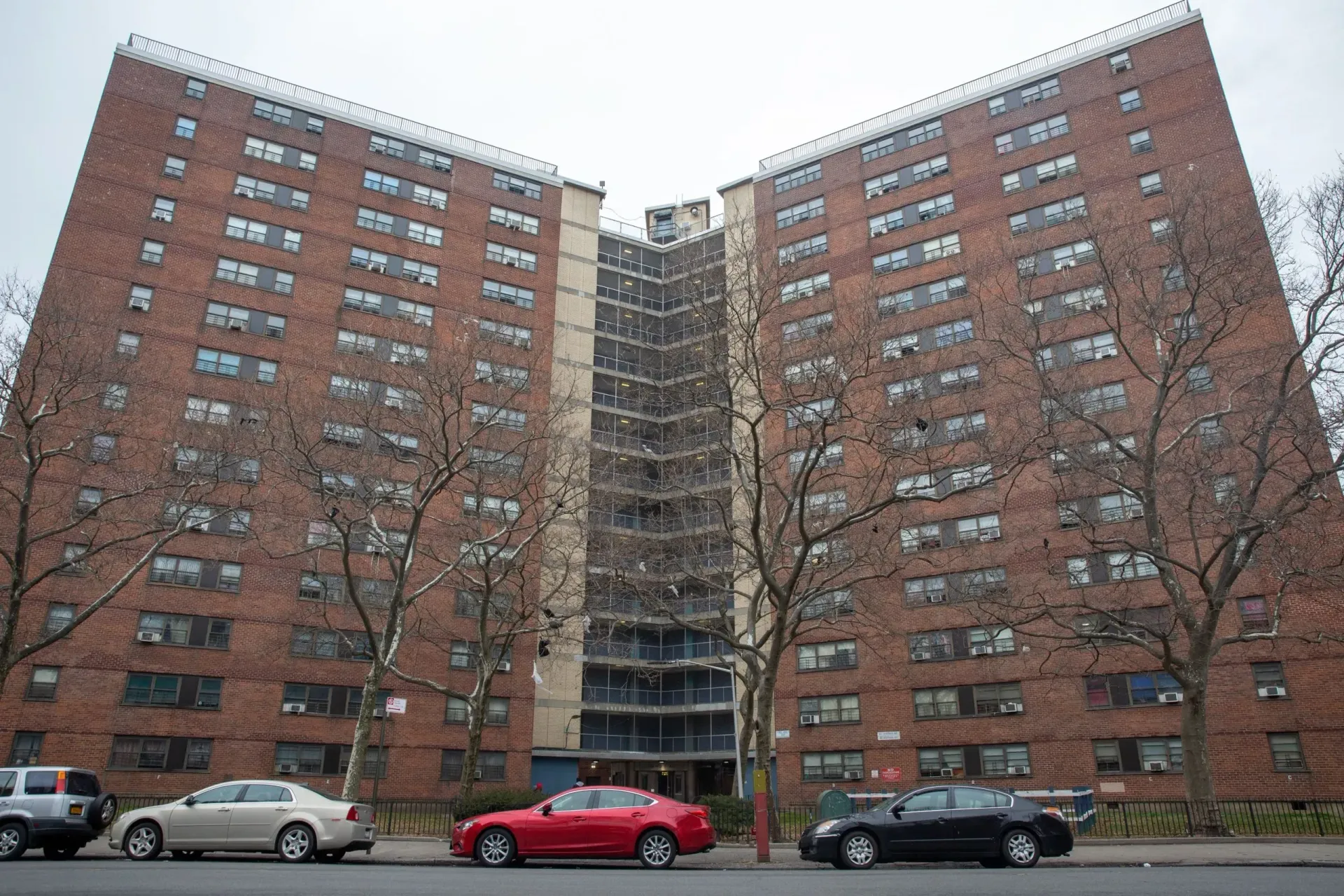
In East Brooklyn, as in many parts of the country, African American and Latino families faced rampant discrimination getting affordable financing, or even where they could buy property. Sarah Plowden, a repository of the history of this community, is a venerated figure at St. Paul's Church, holding the honorific title of Queen Mother. She's been involved with the Nehemiah project from the beginning, when she was a church secretary and her family lived in what used to be called the projects.
"It was like living with no hope," she said. "These kids cannot imagine how bad it was."
"Well, remind them," Koppel asked.
"I want to forget it!"
"I know you do. But I want you to remember it, just for the moment."
"Okay. To shut the lights off and the roaches appear, to live with rats and mice, I don't wish that on nobody.
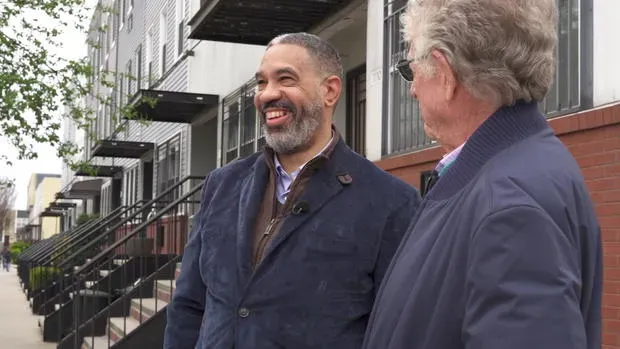
Kirk Goodrich, president of Monadnock Development, with senior contributor Ted Koppel, at the site of a Nehemiah housing development.
Kirk Goodrich grew up in the area to become an affordable housing developer, one (it should be noted) who has helped transform this East Brooklyn neighborhood. "These were neighborhoods you drove through to go someplace else, not any place you wanted to be."
He told Koppel,
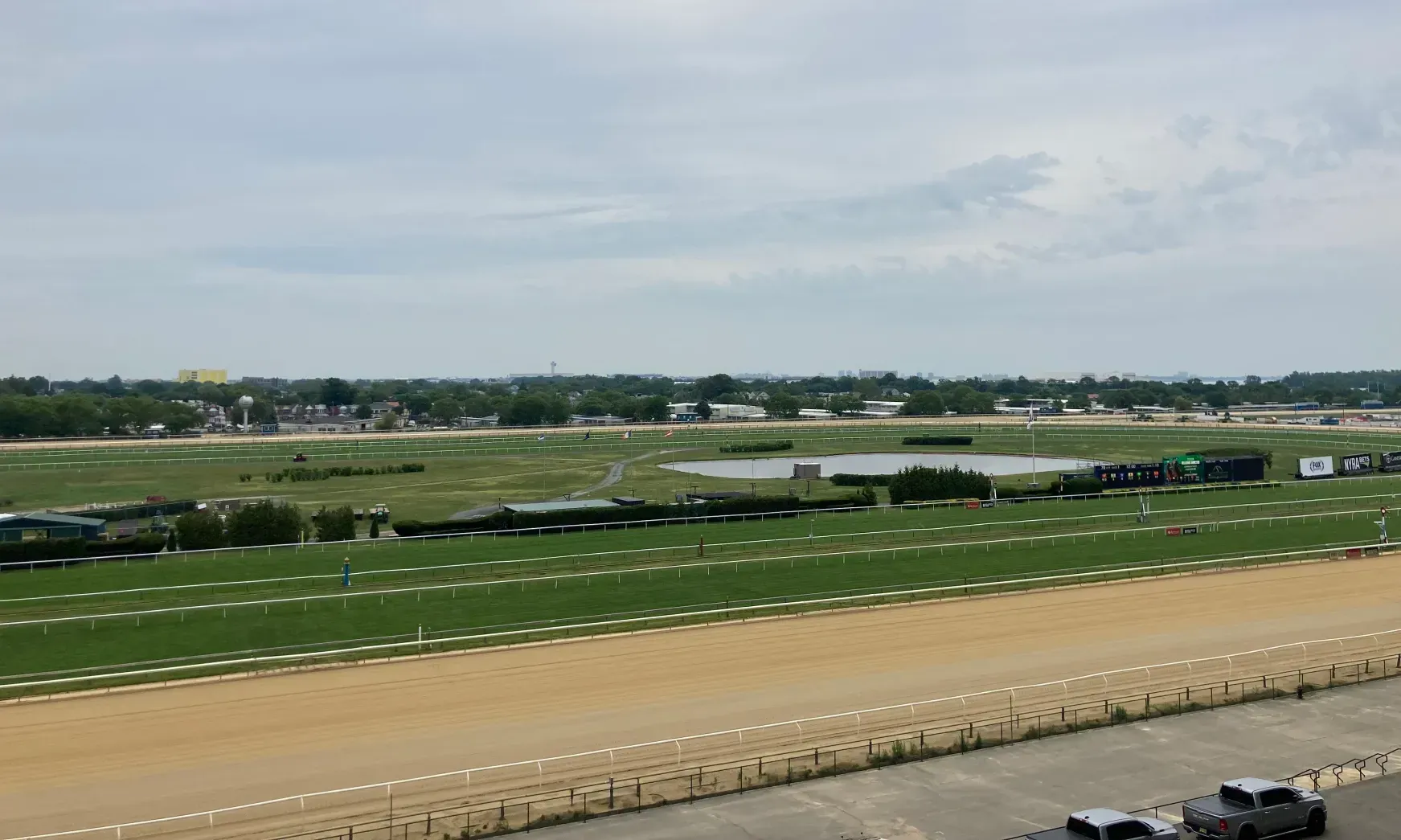
"This was landfill."
"Landfill sounds like such a nice neutral term. What does landfill mean?"
"A trash dump!" he laughed. "People would come here and dump dead pets. Although I didn't see it, I'm sure bodies were, you know, here."
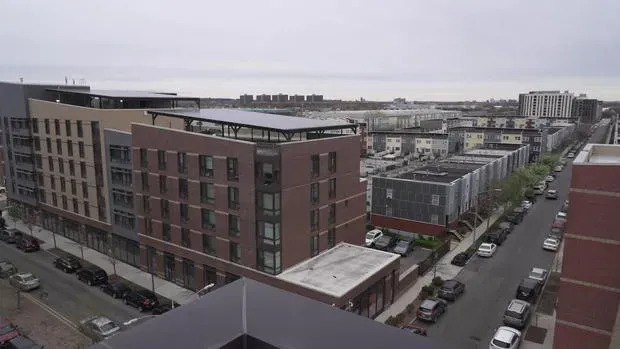
But what was also buried under all that rubble and garbage was opportunity. Those community organizers came from local churches and worked with the Industrial Areas Foundation, the engine driving the Nehemiah project. EBC, or East Brooklyn Churches (which later changed its name to East Brooklyn Congregations), worked with local people to raise money that could be used for loans. They mobilized the community to put pressure on local politicians.
Back then, Ed Koch was the Mayor of New York City. As he later recalled in a PBS documentary, "Groundbreaking," "You came to a big open meeting; they would bring in 500 people. They would cheer you. They would boo you. Whatever it is to manipulate you."
And the pressure paid off. Koch sold 16 square blocks of New York City property at $1 a lot. And the city provided subsidies
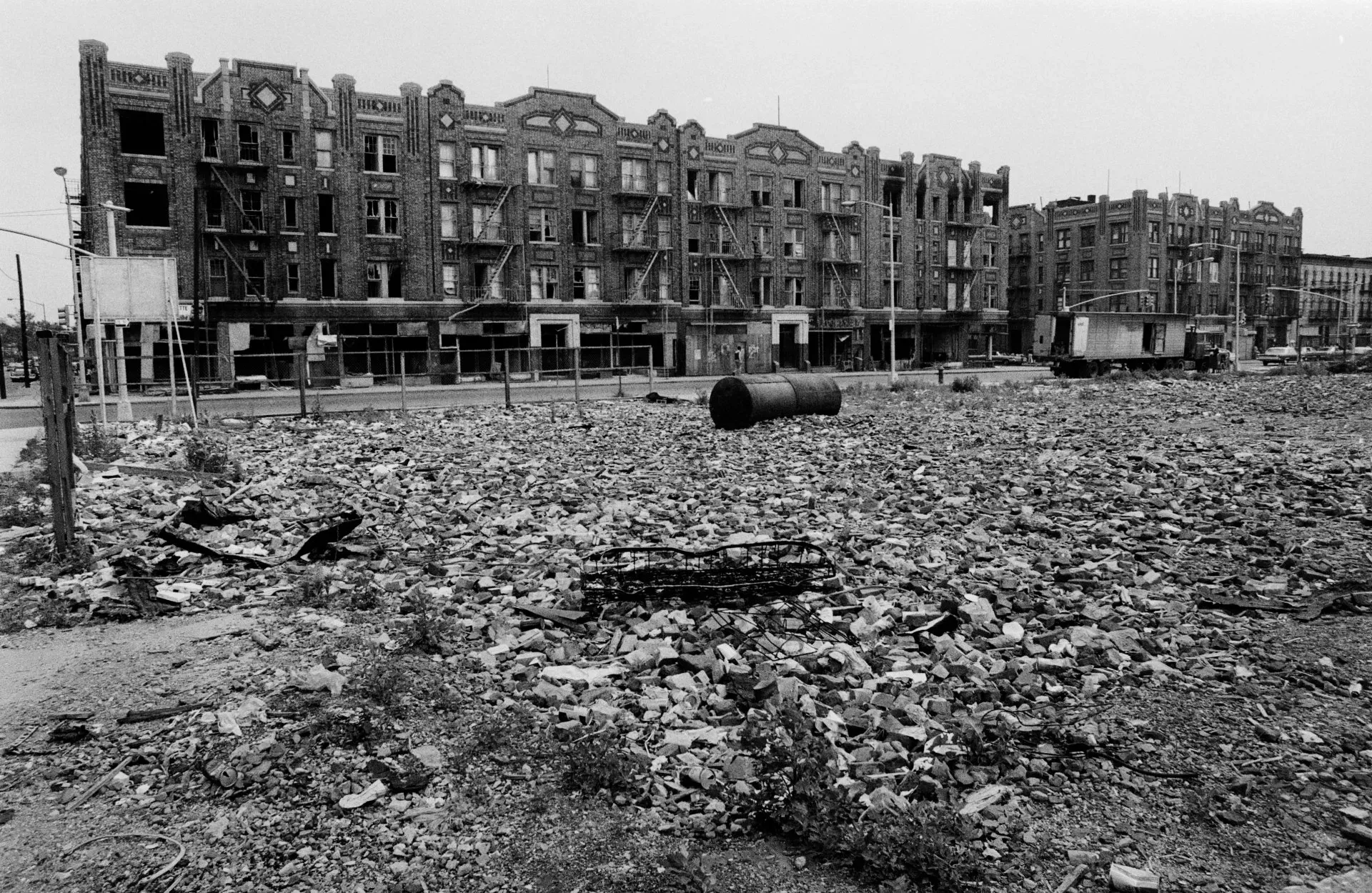
In the 1980s New York city-owned lots in destitute neighborhoods were sold for $1 to allow construction of affordable homes.
Under a Democrat mayor, sure! But how about this fellow? In 1995 the Republican Mayor of New York, Rudy Giuliani, pledged, "We're gonna make sure that there's enough funding in the budget so that Spring Creek can begin, so that it can begin on time, and so that it won't be interrupted."
And all the while, East Brooklyn Churches raised millions toward a fund that helped defray costs. Even so, initially, there were very few takers. "When I got to look at the area, though, I was not excited, I'll tell you that," said Matilda Dyer, an immigrant from the Caribbean Island Dominica. She worked as a nurse. Her husband, Clinton, worked as a welder. They were not easily discouraged. "It was totally abandoned," Dyer said. "It didn't seem possible that you could have a thriving community of homes."
What tipped the scales for Dyer was that the project was being put together by East Brooklyn Churches. "I didn't know all about EBC, but I knew it was churches," she said. "I know with churches, God is at the center." Koppel said, "You are describing what is often referred to as an act of faith."
"It is. It was faith. And after I stepped forth, three or four of my friends, they purchased homes in there." Those first Nehemiah homes cost $40,000. Now this was almost 40 years ago. For many homeowners like the Dyers, the mortgage payments were actually less than the rent they had been paying. Soon, those Nehemiah homes became so popular that people had to enter lotteries just for the chance of owning a home. People like Sandra and Armando Martinez. He was a political refugee from El Salvador. Both of them were teachers, each working two jobs to raise their two children whom they helped put through college.
Sandra recalled: "2002, we went to church on a Sunday, like always. The priest told us that it will be a coupon in the newspaper to apply for affordable houses." Koppel asked, "And then what happened? Then you wait?" "Then, we waited," said Armando.
"How long before they called you?"
"Five years after," said Sandra.
"They pull the number, you move into the house?"
"No!" said Sandra. "We had the number, so that mean we, eventually one day, will have a house."
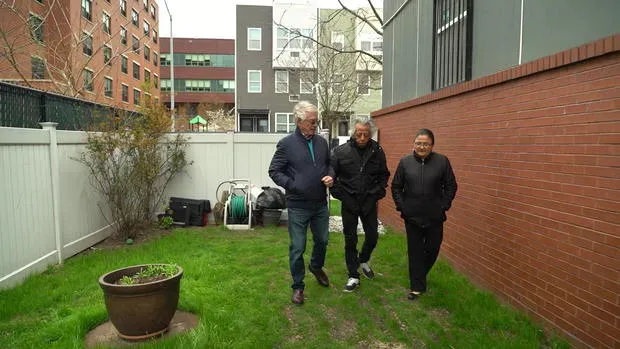
Ted Koppel with Armando and Sandra Martinez.
By the early 1990s, Sarah Plowden, who worked at St. Paul's Church, finally could afford to buy a home of her own. "I stand as a witness, a dream can become a reality. It was a struggle for me to own it, but it was worth it." The home she paid $120,000 to buy, she said, is now worth more than $500,000. Koppel asked, "So, when you pass on, and you leave that to your children, you're leaving an estate?"
"Yes, I am. But I don't intend to leave them a paid-for house. I intend to enjoy my money and my house!" she laughed.
Message received! All three of Ms. Plowden's sons own property of their own.
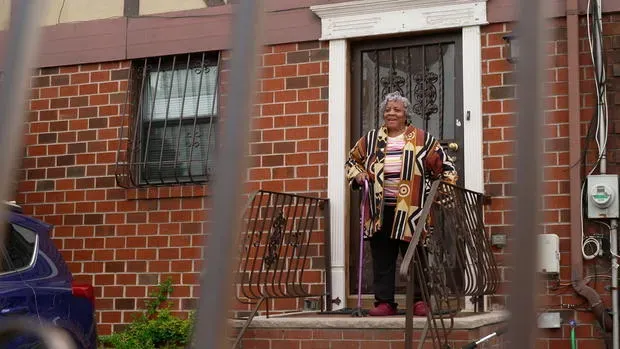
Sarah Plowden was finally able to own her own home. "I stand as a witness, a dream can become a reality."
Overall, the Nehemiah homes have created an estimated $1.5 billion in wealth for first-time Black and Latino homeowners.
Developer Kirk Goodrich said, "This is the most consequential, important community development effort in our country, because it was done by one organization over 40-plus years and they've never stopped." There are Nehemiah projects, at various stages of development, around the country. So far, they've built 6,500 homes.
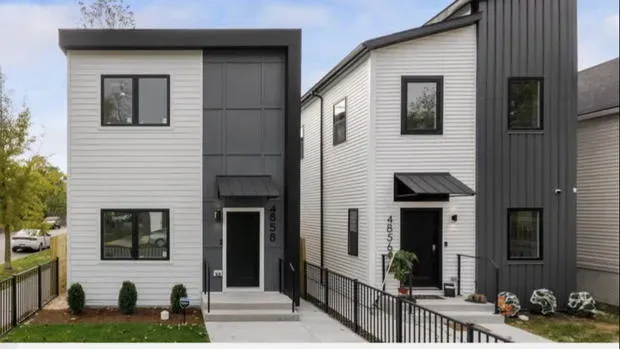
The houses are, quite literally, the foundation. But the owners, said The Rev. Brawley, are the ones who breathe life into a community: "People who are city workers who now own a home, people who have come out of public housing, teachers, law enforcement officers, fire department workers who now own their own homes." And the harder the struggle to get here, the greater the sense of achievement. It took the Martinez family seven years to get their house. "This is our palace," said Sandra, "and every day we thank God. We think that every other families should have the same opportunity." Brawley said, "You can't be what you can't see. Nehemiah for us is something for everybody to see. It is possible."
Koppel noted,
"As you like to say in this building, Amen."
"Amen!"."