Opinion: A little perspective on housing for Mayor Adams
Every mayor tries to make his own mark on New York — in part by showing how he differs from his immediate predecessor, in part by choosing themes and programs that he can call his own. We have seen this pattern play out since the first term of the first “Mayor Swagger,” Ed Koch. As leaders who have created our own initiatives and developed our own programs, we’ve learned to operate with a combination of thick skin, a sense of humor, and a willingness to confront every mayor when they either ignore the successes of others or make claims that simply don’t reflect reality.
We recall a meeting with then-Mayor Mike Bloomberg when he talked about his role in bringing education reform to the city. He waxed eloquent about his support of scores of quality charter schools, as if those were the first new schools in recent memory. We reminded him that Metro IAF and others had fought for mayoral control of the dismal public school system and the dismantling of 110 Livingston St.’s Board of Education bureaucracy long before he arrived on the scene.
We wrote a piece in the Daily News titled, “Draining the school swamp.” Our educational advisor at the time, Ray Domanico, dubbed districts with chronically failing schools “educational dead zones.” We had also championed the first wave of new, smaller community-based high schools with an earlier chancellor, Joe Fernandez, long before Bloomberg arrived on the scene.
So we reminded the mayor that, while he had indeed played a role in bringing long-delayed educational reforms to New York, he wasn’t the first or the only champion of change.
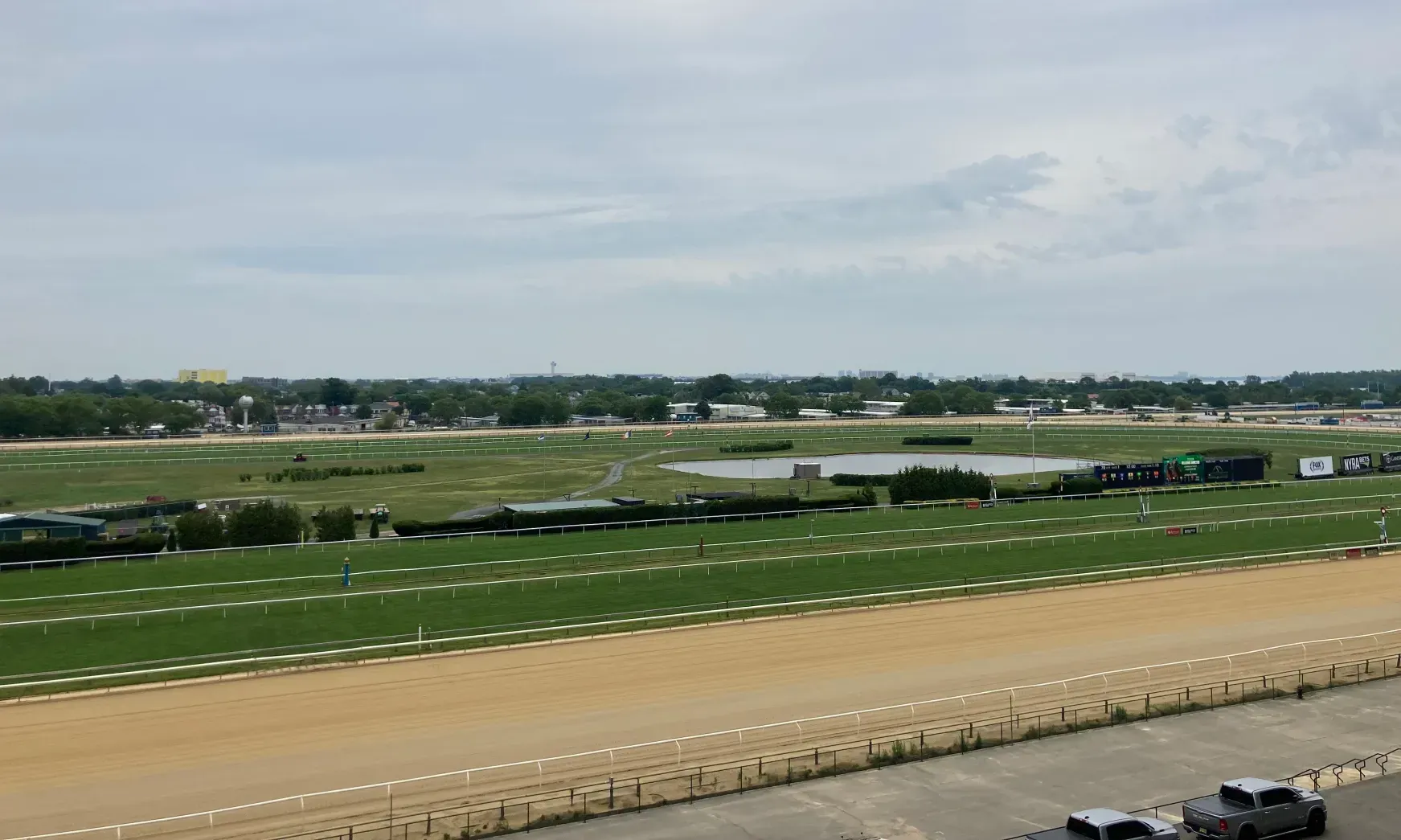
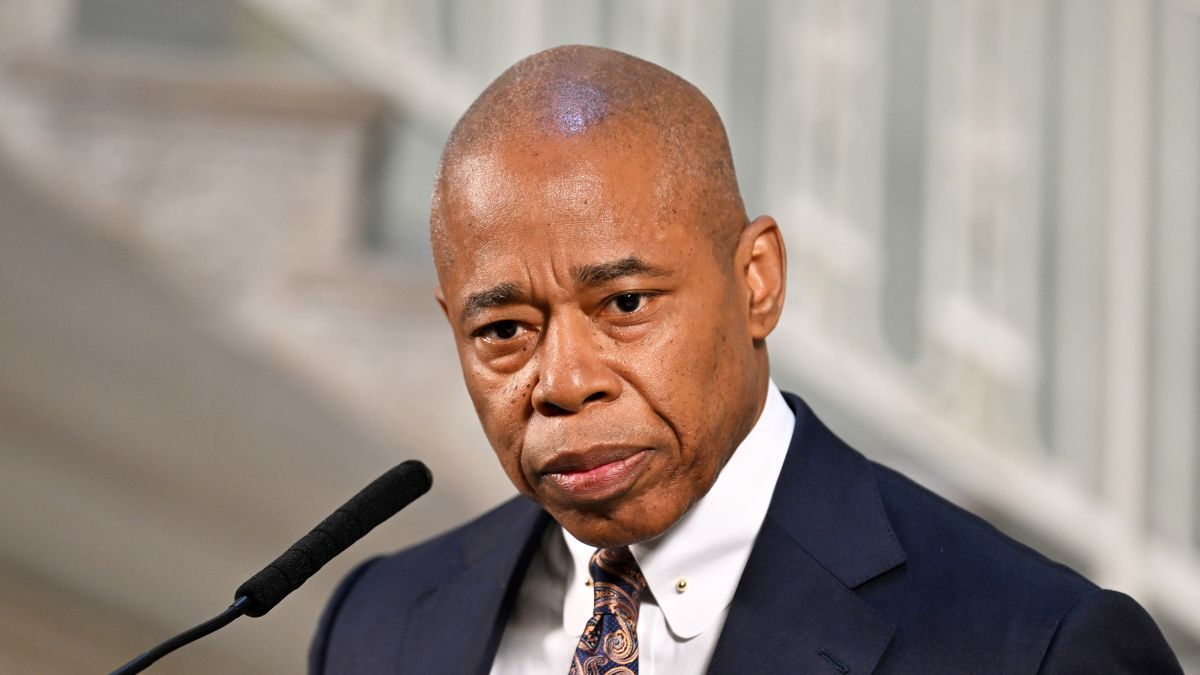
Flash forward: When Mayor Adams recently announced several new housing plans, including one in Willets Point that called for 2,700 new affordable apartments, he claimed that this was “the biggest 100% affordable housing project in New York City since the 1970s.”
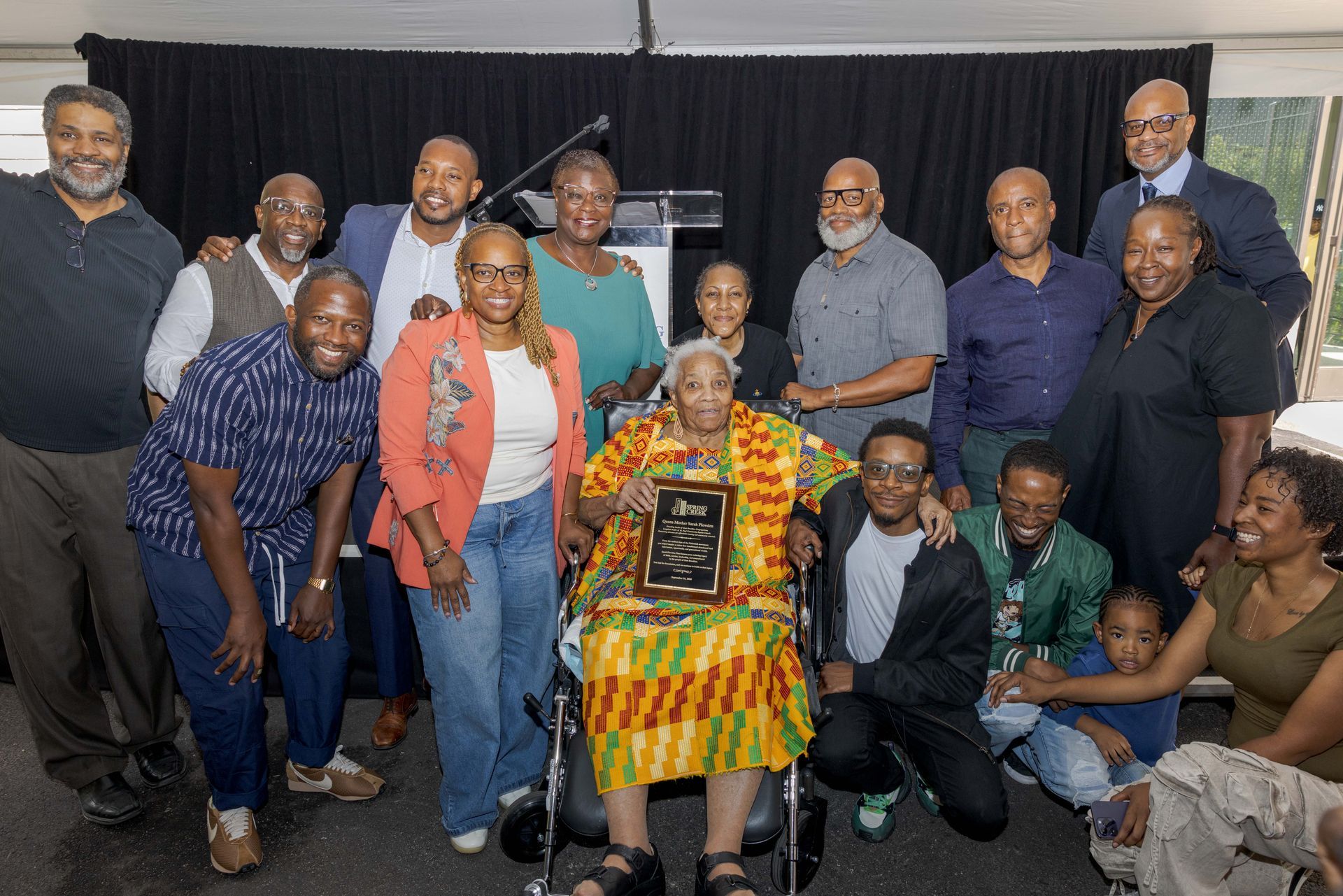
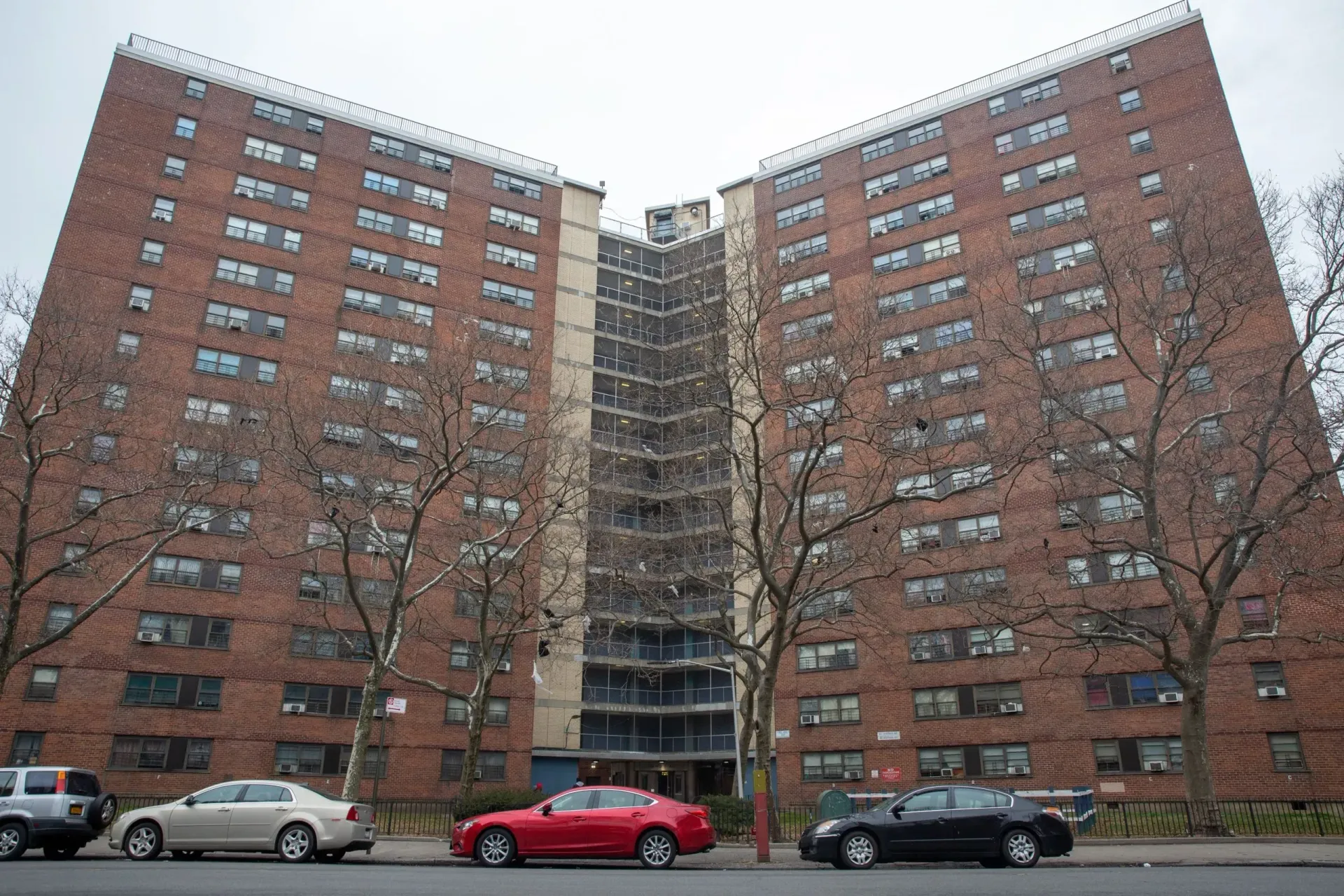
That is technically true, but barely. All Adams had to do was to take a ride to Spring Creek, in East New York, where East Brooklyn Congregations is completing the final phases of 2,665 all-affordable homes and apartments, including ownership housing that enables African-American and Hispanic buyers to begin to build equity — real wealth.
There’s another nit we have to pick. His recent announcements with the Related Companies (which, full disclosure, built the wildly successful retail portion of Spring Creek) and Silverstein Properties give them full — actually fulsome — credit.
We don’t begrudge that. What we begrudge is the tendency to ignore the impact over a 40-year period of grassroots leaders and activists who are not celebrities, who don’t hang out at the best clubs, and who certainly don’t make large campaign contributions to elected officials.
Yet it was those (mostly anonymous) neighborhood leaders who stood in the breach when the city was teetering on the edge of bankruptcy and dissolution and designed a home-building effort that none of the great academics, pundits or developers thought possible at the time.
Their work has been recognized in two recent accounts of New York’s growth, ”New York, New York, New York” by Thomas Dyja and “The New Yorkers” by Sam Roberts. These people and their organizations — East Brooklyn Congregations and South Bronx Churches among them — delivered thousands of new homes on the once-vacant and devastated acres of their communities. And a sister organization, Queens Power, stands poised today to deliver at least 3,000 more on the Creedmoor site in Queens.
To overstate the impact of the establishment’s real estate darlings and ignore the impact of tough, focused, persistent community leaders minimizes or ignores the effective work of everyday New Yorkers. It encourages the corrosive sense that merit doesn’t matter; only insider connections do. It discourages others from designing and implementing innovative strategies that are informed by those closest to the issues and deepest in their communities.
The radical change needed now in our nation is the construction of scores of thousands of new, affordable ownership homes and condos in New York and approximately 4 million new affordable starter homes, a need fully documented by Fannie Mae and others. The injection of critical masses of affordable ownership housing would enable millions of Americans to begin to build equity and bridge the wealth gap. The mayor should join us as we press for a national campaign to address this issue. If he does, he will truly have a horn worth tooting.
Brawley and Mason are co-chairs of East Brooklyn Congregations. O’Connor is co-chair of Queens Power. All are leaders of Metro Industrial Areas Foundation.
Editor’s note: This op-ed originally said the Willets Point plan is smaller than the Spring Creek development, asserting that the latter was producing 3,100 units of housing. That is untrue. Willets is in fact the largest affordable housing development by numbers in the last 40 years.